How to Introduce a New Cat or Dog to Your Home
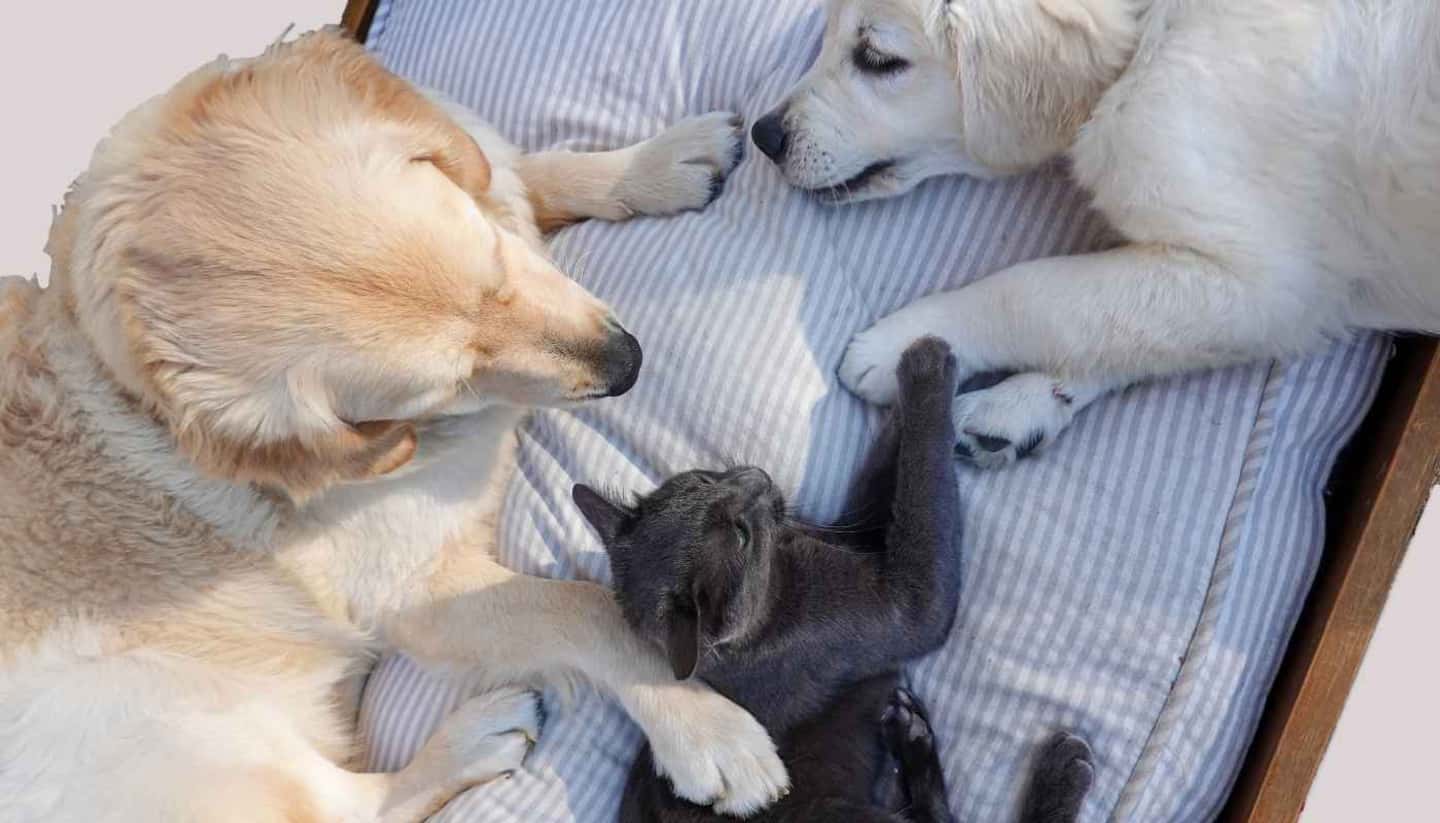
Bringing a new cat or dog into your home is an exciting experience. However, if not managed correctly, it can be stressful for both the newcomer and your existing pets. That’s why the introduction process should always be gradual and controlled.
Introducing a New Cat (If You Already Have a Cat/Dog) 🐱
- Separate room in the first days: Place your new cat in a quiet, safe room with food, water, a litter box, and a bed. Do not bring them face-to-face with your other pets at first.
- Scent introduction: Exchange items such as blankets or brushes between your pets so they can get used to each other’s scent.
- Introduction through the door: After a few days, allow them to smell each other through a slightly open door without direct contact.
- Supervised meeting: Keep the first face-to-face meeting short and under supervision. If hissing or aggression occurs, slow down the process.
- Positive reinforcement: Use treats and play to create good experiences during introductions.
- Patience: Full adaptation can take weeks. Cats are particularly sensitive to smells and changes in routine.
Introducing a New Dog (If You Already Have a Cat/Dog) 🐶
- Neutral territory: If you already have a dog, arrange the first meeting in a neutral place such as a park or garden to reduce territorial stress.
- Short and controlled first meeting: Keep them on leashes, use treats to keep them calm, and limit the first interaction to 5–10 minutes.
- Gradual introduction at home: When inside, allow them to explore under supervision. Keep food bowls and toys separate to avoid jealousy.
- Positive reinforcement: Reward calm behavior and friendly interactions.
- Step-by-step socialization: Do not leave them alone in the first days and observe their interactions closely.
General Tips 🎯
- Maintain routines: Keep your existing pet’s feeding and play schedules unchanged.
- Be patient: Adaptation may take weeks, not just a few days.
- Watch for stress: If you notice excessive hissing, barking, or hiding, slow down the process.
- Provide safe spaces: Ensure each pet has their own corner or space to retreat to.
Remember: With patience, understanding, and controlled steps, your pets will adapt to the new arrangement much more smoothly. 💚
👨⚕️ Dr. Ahmet Sarıl, DVM (Internal Medicine & Cardiology Specialist) 📍DoktorVet Veterinary Clinic