How to Play with Your Cat or Dog
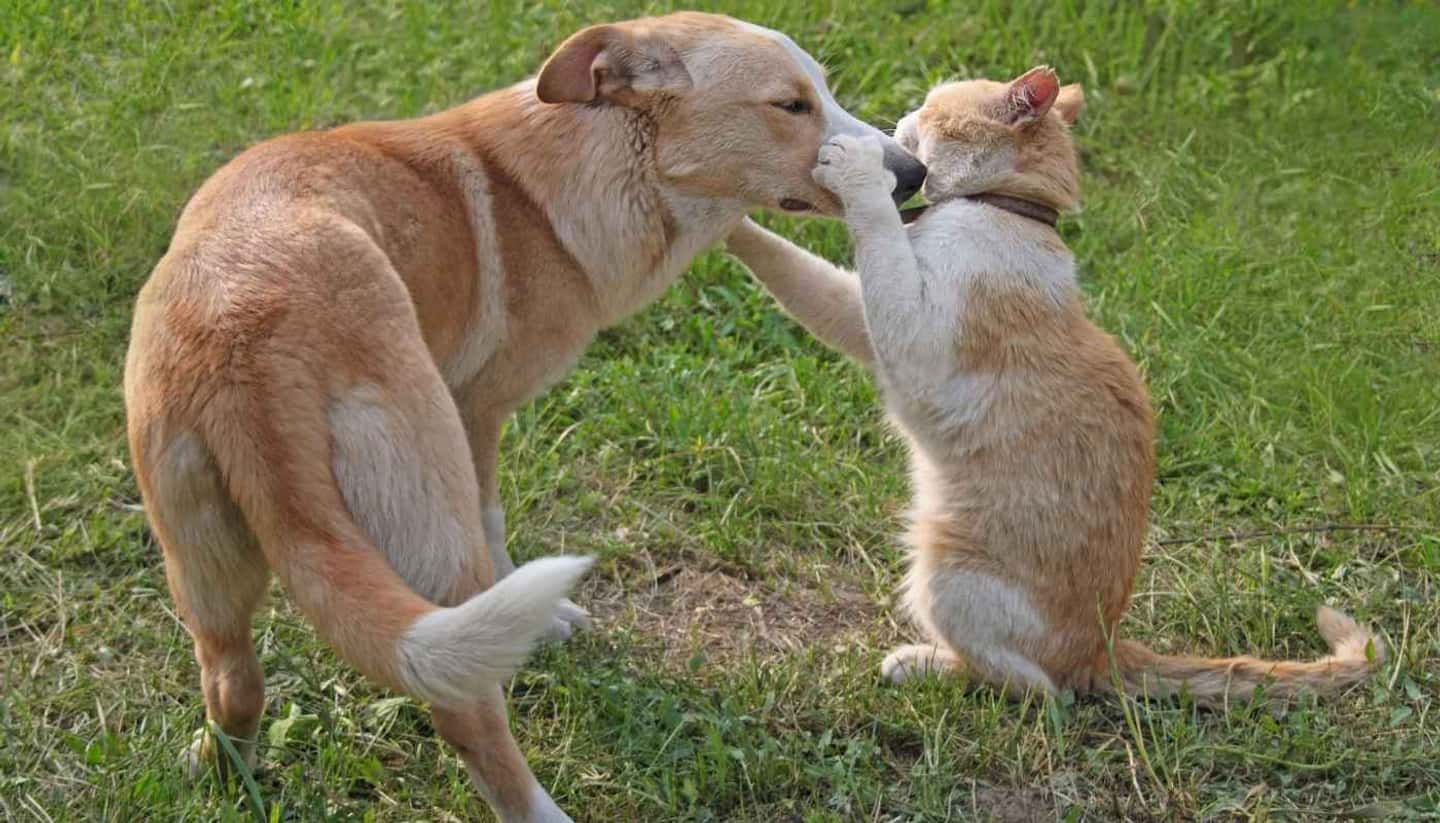
Playing with our furry friends is not only a fun activity but also very important for their physical and mental health. 💚 Playtime helps them release energy, build confidence, and strengthen their bond with us.
**Playing with Cats 🐱**
1. Engage their hunting instincts 🎯
Cats are natural hunters, so play should be based on the thrill of “catching.”
- Toys like feather wands, strings, lasers, or jumping toys work best. - Move the toy slowly, let them stalk and pounce. - End the play with a “victory”, letting them catch the toy builds confidence.
2. Encourage mental stimulation 🧩
- Use puzzle feeders and interactive toys to keep their minds active and engaged.
3. Pay attention to playtime duration ⏱️
- Short sessions, 2–3 times a day for 10–15 minutes, are ideal. - Playing in the evening matches their natural hunting rhythm.
4. Things to keep in mind ⚠️
- Using your hands as toys can encourage biting or scratching behavior later on. - Rotate toys occasionally to maintain interest. - End each session with affection or a small treat.
**Playing with Dogs 🐶**
1. Physical games 🎾
- Fetch: Helps burn off energy while reinforcing commands like “fetch” and “drop.” - Tug-of-war: Teaches control, but make sure your dog knows how to release on command. - Hide and seek: A fun game that also strengthens your bond.
2. Mental games 🧠
- Hide treats in puzzle toys or around the house and let them sniff them out. - Incorporate basic commands like “sit,” “stay,” and “come” during play.
3. Adjust playtime accordingly ⏱️
- Energetic puppies: 2–3 play sessions per day, each lasting 15–30 minutes. - Small breeds or senior dogs: Shorter but more frequent play sessions work best.
4. Things to keep in mind ⚠️
- Wait for your dog to show interest; don’t force play. - Take breaks if they seem tired. - If any signs of aggression appear, stop play immediately. - End with a reward or calm affection to help them relax.
**Additional Info 💡**
Playtime isn’t just for fun, it’s one of the best ways to prevent behavioral problems. Pets that don’t get enough play often show signs such as:
- Excessive meowing or barking - Scratching or chewing furniture - Stress-related potty issues
💚 Remember: Every play session strengthens your furry friends' body, mind, and your connection together.
**👨⚕️ Dr. Ahmet Sarıl, DVM (Internal Medicine & Cardiology Specialist) 📍DoktorVet Veterinary Clinic**