Gum Bleeding in Cats and Dogs
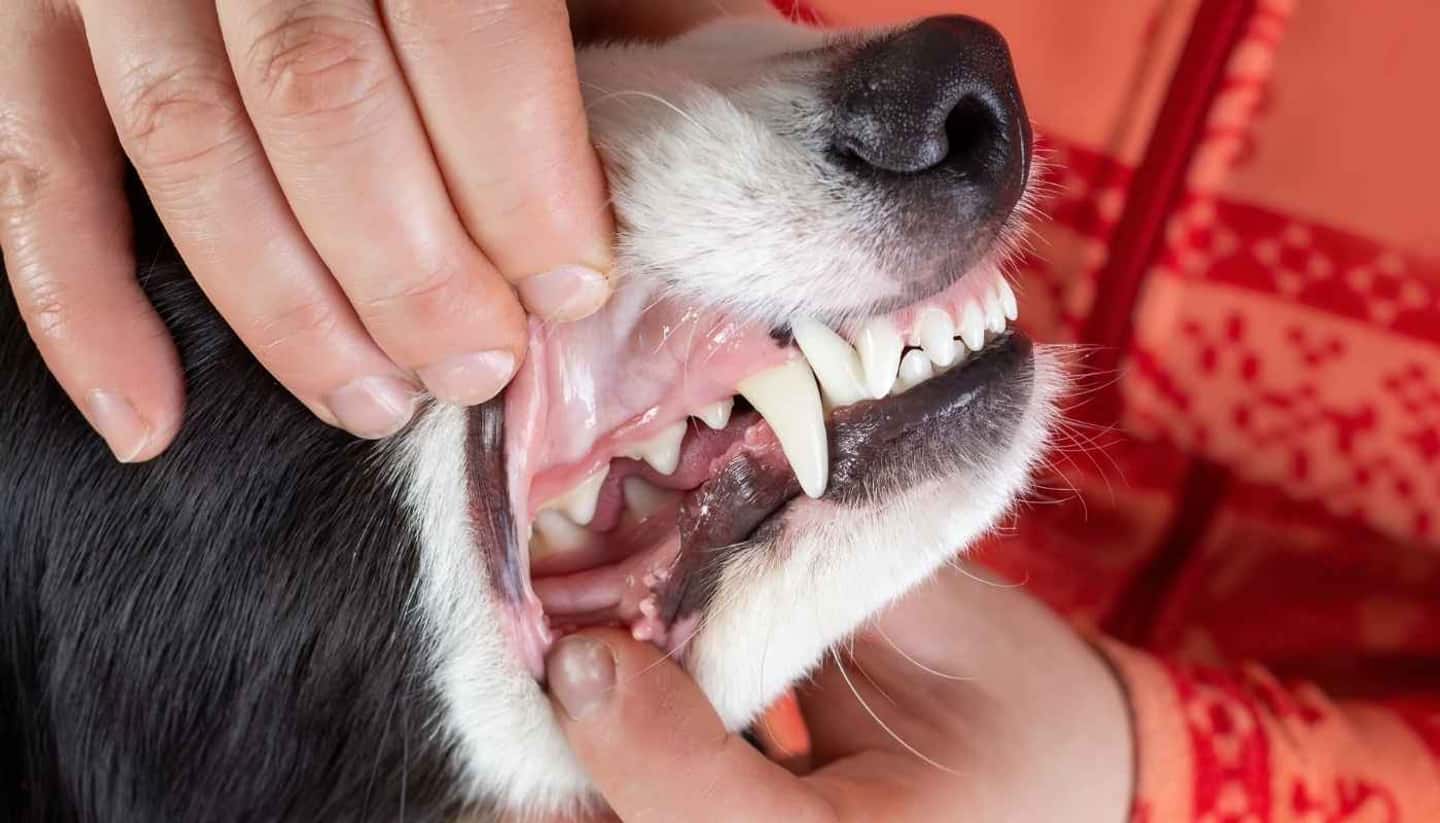
Gum bleeding in cats and dogs is not considered normal and is usually a sign of an underlying oral health issue. Very mild bleeding may occasionally occur during tooth brushing, but frequent, ongoing, or spontaneous bleeding should always be taken seriously.
Below you can find the most common causes of gum bleeding and when veterinary care is necessary.
Common Causes of Gum Bleeding in Cats and Dogs 🩸
1. Tartar and Plaque Buildup
- This is the most common cause. - Plaque accumulates on the teeth and hardens into tartar over time. - Tartar puts pressure on the gums, leading to inflammation and bleeding. - Bad breath often accompanies this condition.
2. Gingivitis
- The gums appear red, swollen, and sensitive. - Bleeding may occur when touched or while eating. - If left untreated, gingivitis can progress and eventually lead to tooth loss.
3. Oral Wounds and Irritation
- Chewing hard objects - Sharp food pieces - Injuries caused by toys or bones - Cuts on the tongue or inner cheeks
These can all cause gum sensitivity and bleeding.
4. Oral Infections and Abscesses
- Tooth root infections or oral abscesses - Often accompanied by pain, swelling, and reduced appetite - Bleeding may occur alongside these symptoms
5. Vitamin and Mineral Deficiencies
- Poor or unbalanced nutrition - Low quality food - Certain vitamin or mineral deficiencies can make the gums more sensitive
6. Trauma
- Falls or impacts - Hitting the mouth against a hard surface - May cause bruising, cuts, or bleeding in the gums
7. Systemic Diseases
Some general health conditions may also cause gum bleeding.
- Kidney disease - Liver disease - Blood clotting disorders - Certain viral or bacterial infections
In these cases, gum bleeding may occur together with persistent bad breath and requires veterinary evaluation.
When to See a Veterinarian 🩺
Veterinary attention is recommended without delay if any of the following are observed.
- Bleeding occurs frequently - Bleeding happens spontaneously - Strong or persistent bad breath is present - Pain or difficulty while eating is noticed - Gums appear dark red, purple, or severely swollen - Increased drooling or blood coming from the mouth
If left untreated, gum problems can progress to tooth loss.
Supportive Care at Home 🏠
- Temporarily switching to soft or wet food for comfort - Pausing tooth brushing if the gums are very sensitive - Using oral care gels or products recommended by a veterinarian - Returning to a regular tooth brushing routine once bleeding improves
Tartar should not be removed at home. Most gum problems require professional dental care.
💚 Remember: Gum bleeding may seem minor, but it is often an early sign of a more serious issue. Early detection plays a key role in protecting your companion’s oral and overall health.
**👨⚕️ Dr. Ahmet Sarıl, DVM (Internal Medicine & Cardiology Specialist) 📍DoktorVet Veterinary Clinic**