Tooth Brushing for Cats and Dogs
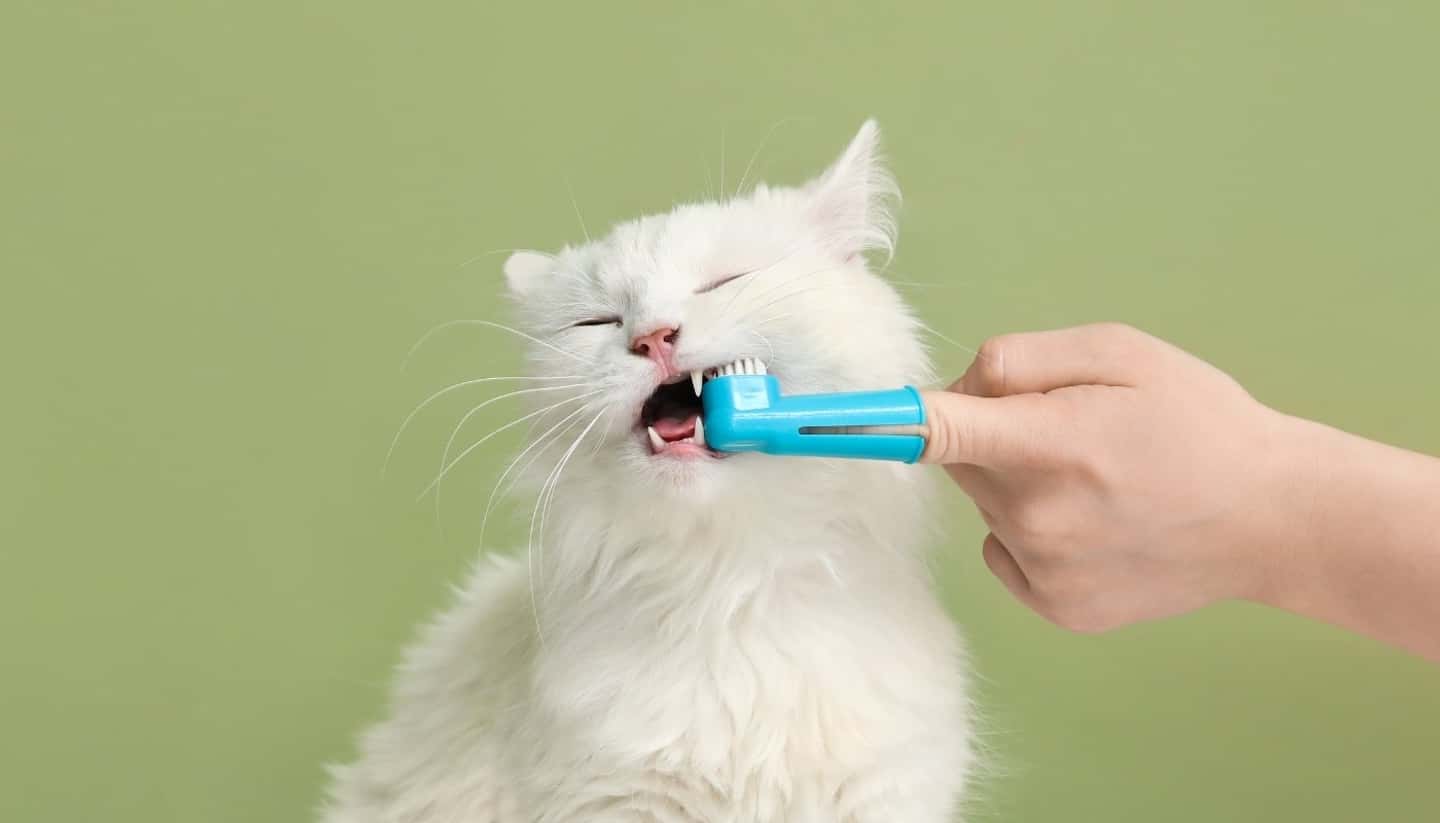
Tooth brushing is one of the most effective ways to prevent tartar buildup and bad breath in cats and dogs. When done with the right technique and patience, it can become a safe and comfortable care routine for both you and your furry companion over time.
Below is a step by step and practical tooth brushing guide recommended by veterinarians.
1. Choosing the Right Toothbrush and Toothpaste
- Products specifically designed for pets should always be used. - Human toothpaste should not be used, as it may contain fluoride or xylitol, which can be harmful.
Suitable options for cats and dogs include
- Soft bristled toothbrushes - Finger toothbrushes - Pet specific, swallow safe flavored toothpastes
2. Getting Used to Tooth Brushing
Tooth brushing should be introduced gradually rather than all at once.
Stage 1
- Getting used to mouth contact - Gently touch the cheek and lip area with your finger - Reward every positive reaction with a small treat
Stage 2
- Introducing the toothpaste - Apply a small amount of toothpaste to your finger and allow them to lick it - Enjoying the taste helps make the process easier
Stage 3
- Touching the teeth with your finger - Gently rub the outer surfaces of the teeth with your fingertip - No toothbrush is used at this stage
Stage 4
- Using a finger toothbrush - Focus on the side surfaces of the teeth using short and gentle movements
Stage 5 (If preferred)
- Switching to a regular toothbrush - Once fully comfortable, a small headed toothbrush designed for pets can be used
This process is usually completed within a few days, though it may take longer for some pets.
3. Proper Brushing Technique
- Focus on the outer surfaces, as tartar mostly builds up on the cheek side of the teeth - Use gentle circular motions without applying pressure
Priority areas
- Upper canine teeth - Upper back molars Lower teeth can be brushed gently if time allows.
Inner surfaces are not mandatory, as they are difficult to access and cleaning the outer surfaces is usually sufficient.
4. Brushing Duration
- A total brushing time of about 30 seconds to one minute is sufficient.
5. Things to Keep in Mind While Brushing
- Proceed calmly and without forcing - Even short attempts should be considered a success - Be cautious of sudden head movements - If you notice bleeding, pain, or strong odor, a veterinary check is recommended
6. After Brushing
- Rinsing the mouth is not necessary - Pet toothpastes are safe to swallow - Ending the routine with a small reward helps build a positive habit
Additional Information
- Tooth brushing does not completely remove existing tartar, but it significantly reduces new buildup - Finger toothbrushes are often easier for beginners - Combining brushing with dental support chews can lead to better results
💚 Remember Regular dental care is one of the most important steps in protecting your pet’s oral health and overall quality of life.
**👨⚕️ Dr. Ahmet Sarıl, DVM (Internal Medicine & Cardiology Specialist) 📍DoktorVet Veterinary Clinic**