Dental Tartar in Cats and Dogs
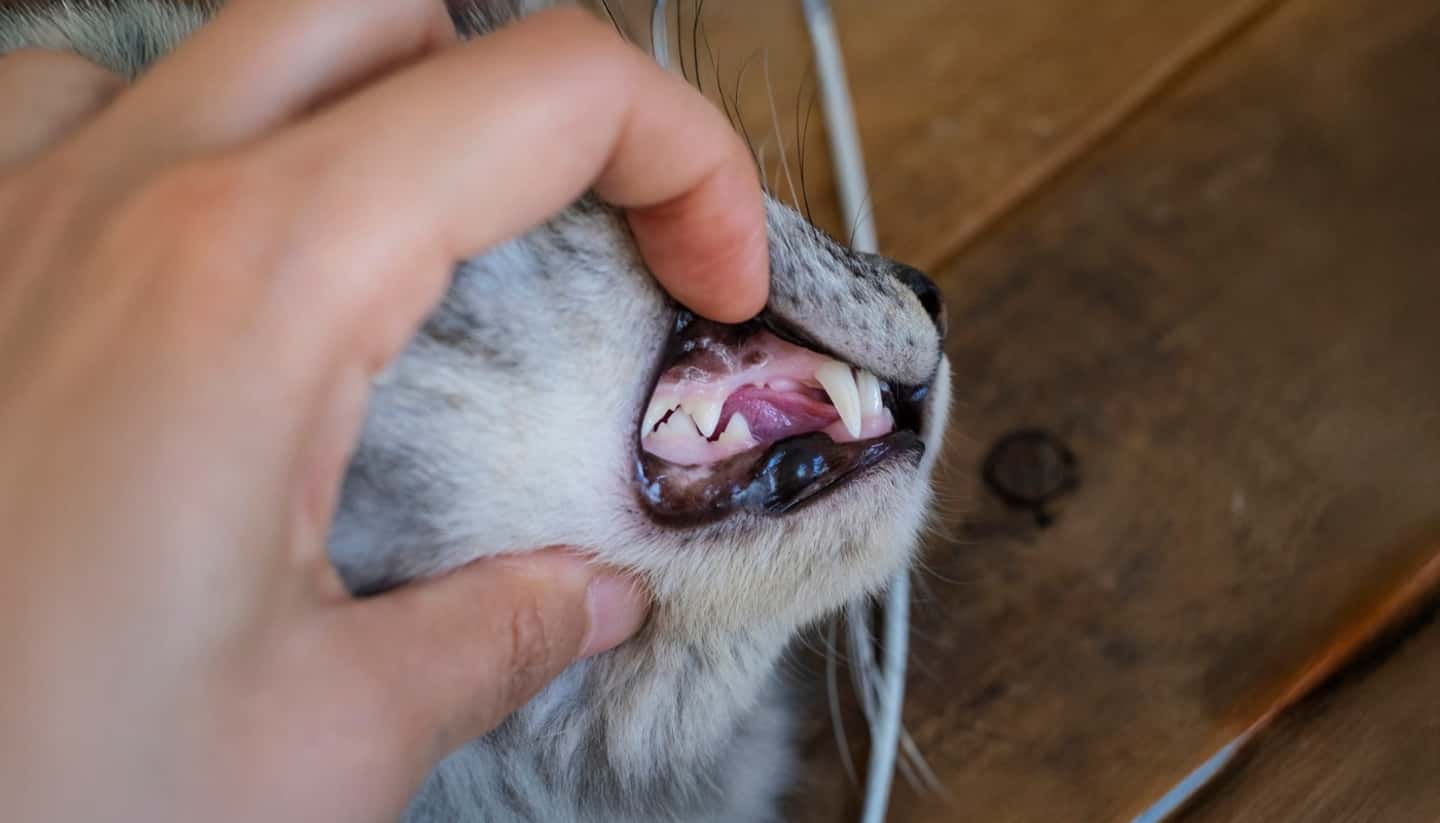
Dental tartar is a very common oral health issue in cats and dogs. It is usually noticed through bad breath and visible color changes on the teeth. If not addressed early, it can progress to gum disease, pain, and even tooth loss.
How to Recognize Dental Tartar in Cats and Dogs
1. Tooth discoloration
- Yellow, brown, or dark hardened buildup near the gum line - It often starts as a yellowish plaque and hardens over time
2. Bad breath
- One of the most common signs - Tartar harbors bacteria, causing persistent and strong odor
3. Redness and swelling of the gums
- Red, swollen, or bleeding gums - Tartar irritates the gums and leads to inflammation
4. Oral pain and sensitivity
- Pulling away while eating - Chewing on one side only - Refusing hard food
5. Bleeding gums
- Light bleeding may occur while chewing or when the teeth are touched
6. Increased drooling
- Excessive or sticky saliva compared to normal
7. Avoidance of hard foods
- If tartar causes pain, hard food or bones may become uncomfortable
8. Loose teeth (advanced stage)
- Long-term tartar weakens the supporting gum tissue - This condition is known as periodontal disease
When Should You See a Veterinarian?
- If bad breath becomes noticeable - If brown tartar buildup is clearly visible on the teeth - If your pet struggles while eating - If gum bleeding has started
Dental tartar can only be safely removed by a veterinarian using professional ultrasonic cleaning. It cannot be removed at home. However, regular tooth brushing and appropriate dental chews can help reduce new tartar formation. 💚
**👨⚕️ Dr. Ahmet Sarıl, DVM (Internal Medicine & Cardiology Specialist) 📍DoktorVet Veterinary Clinic**