Stress Management in Cats and Dogs
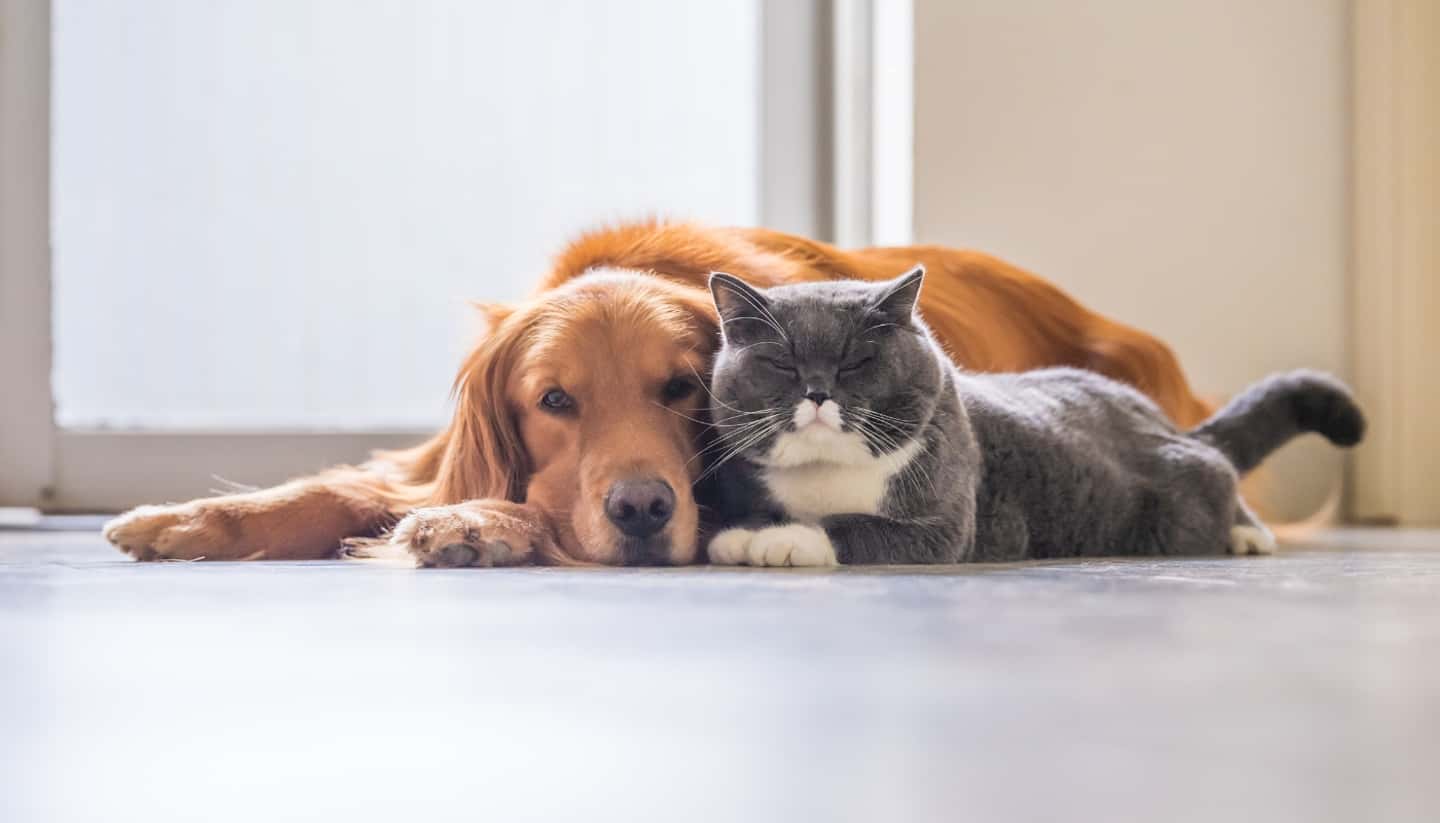
Stress management in cats and dogs is very important for both their mental and physical health. Prolonged stress can weaken the immune system, cause behavioral problems, and negatively affect the course of existing illnesses.
1. Recognizing Stress
Understanding when our furry friends are experiencing stress is the first step to solving the problem.
Possible signs of stress in cats:
Hiding, reduced activity Fur pulling or excessive grooming Loss of appetite Changes in litter box habits Growling or hissing
Possible signs of stress in dogs:
Excessive barking or howling Restlessness, constant pacing Shedding more than usual Excessive licking or chewing of paws/objects Trembling, tail tucked between the legs
2. Reducing Sources of Stress
Safe environment: Reduce noise, avoid sudden changes, and limit heavy visitor traffic to create a calming space.
Regular routine: Keeping feeding, play, and walking times consistent helps pets feel secure.
Social adaptation: Introduce new animals or people slowly and in a controlled manner.
Personal space: Provide scratching posts and hiding spots for cats; comfortable beds and personal corners for dogs.
3. Stress-Reducing Supports
Pheromone products: Artificial pheromones such as Feliway for cats and Adaptil for dogs can help them relax.
Play and enrichment: Puzzle toys, hide-and-seek games, and treat-finding activities keep them engaged.
Exercise: Regular walks for dogs; interactive games like laser pointers or feather wands for cats help release energy.
Music therapy: Classical music or “pet relaxation” tracks can be calming, especially for dogs.
Nutritional support: Foods or supplements containing L-tryptophan, omega-3, and B vitamins can support overall health and mood.
4. Habituation and Desensitization
Gradual exposure: For fear-inducing stimuli (e.g., thunder sounds), start at a very low volume and increase gradually.
Positive reinforcement: Reward after the feared situation to create a positive association and reduce anxiety.
5. Professional Support
Seek help from a behaviorist or veterinarian when needed.
If recommended by a veterinarian, short-term medication support can also be considered.
Remember, stress management is a crucial step for our furry friends to live both healthy and happy lives. Understanding and supporting them is the most valuable gift we can give. 💚
👨⚕️ Dr. Ahmet Sarıl, DVM (Internal Medicine & Cardiology Specialist) 📍DoktorVet Veterinary Clinic