Pet Shedding Care
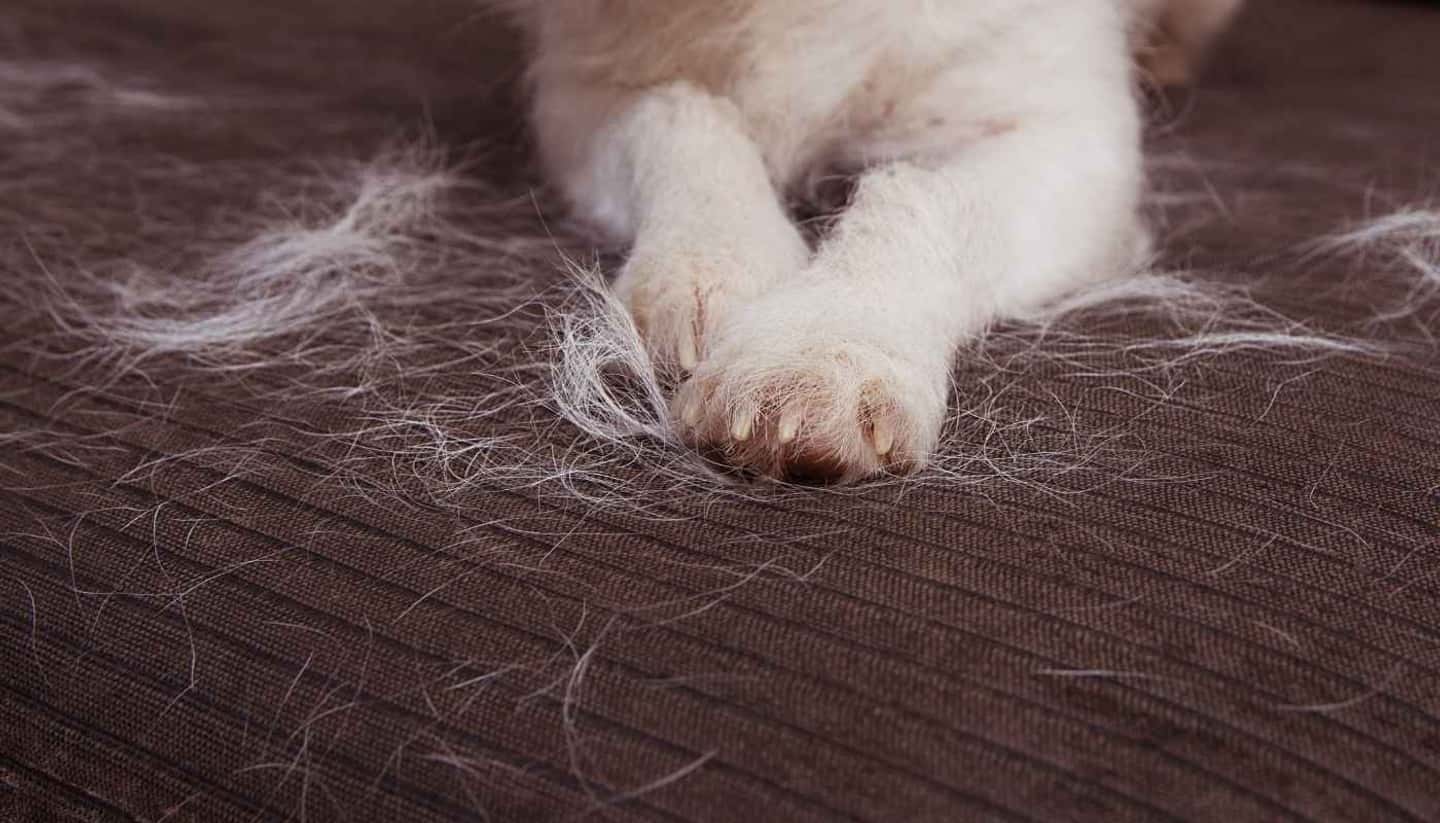
Shedding is very common in cats and dogs. However, both the cause and amount of shedding can be greatly reduced with proper care and nutrition. 💚
**Causes of Shedding**
Shedding generally falls into two main categories:
Natural (seasonal): 🌀
- Occurs in spring and autumn due to temperature changes. This is normal.
Excessive (pathological): ⚠️
- May result from poor nutrition, stress, parasites, allergies, illness, or improper grooming.
**Daily Care to Reduce Shedding**
Regular Brushing (the most effective method) 🪮
For cats:
- Short-haired → 2–3 times a week - Long-haired → daily
For dogs:
- Short-haired → twice a week - Long or double-coated breeds → daily
Furminator, slicker brushes, or rubber grooming gloves help remove dead hair deeply. Increase brushing frequency during shedding seasons. 💡
**Bathing and Skin Care 🧼**
- Bathing too often can disrupt the skin’s natural oils. - Always use pet-safe shampoos with the right pH balance. - Aloe vera, oat extract, or vitamin E–based formulas help support skin health.
Human shampoos can irritate the skin and increase shedding. 💡
**Nutrition: The Most Important Factor 🥩**
- Skin and coat health are directly linked to nutrition. Balanced nutrition is one of the most effective ways to reduce shedding.
- Omega-3 and Omega-6 fatty acids help maintain skin moisture and reduce shedding. They can be found naturally in salmon oil, sardines, or flaxseed.
- High-quality proteins (such as chicken, fish, and eggs) support new hair growth and strengthen the coat. Biotin, zinc, and vitamin E also promote skin regeneration and contribute to a healthy coat.
Low-quality food can worsen shedding. Switching to a veterinarian-recommended premium diet often shows results within 2–3 weeks.
**Reduce Stress 🧘**
- Stress can disrupt hormone balance and cause sudden shedding. - Common triggers include moving to a new home, introducing a new pet or person, or loud noises.
A calm environment and consistent routine help reduce shedding. For cats, pheromone diffusers (like Feliway) can be helpful. 💡
**Check for Parasites and Skin Problems 🐛**
- Fleas, mites, fungal infections, or allergic dermatitis can also cause hair loss. - If you notice redness, flaking, itching, or patchy bald spots, visit your veterinarian.
**Supplements (With Veterinary Approval) 💊**
If shedding is excessive, the following supplements may help:
- Omega-3 & Omega-6 fatty acids - Biotin (Vitamin B7) - Zinc and vitamin E combinations
Supplements are only effective when supported by proper nutrition. 💡
**When to Visit the Veterinarian 🩺**
Shedding is not normal if you notice:
- Circular or patchy bald spots - Itching, redness, dandruff, or sores - Matted, brittle, or sticky fur - Changes in appetite or behavior
These signs may indicate allergies, fungal infections, or hormonal disorders.
**Remember:**
Shedding can never be completely prevented, but with proper care, balanced nutrition, and love, a healthy and shiny coat is always possible. 💚
**👨⚕️ Dr. Ahmet Sarıl, DVM (Internal Medicine & Cardiology Specialist) 📍DoktorVet Veterinary Clinic**