Why Do Cats Meow Excessively?
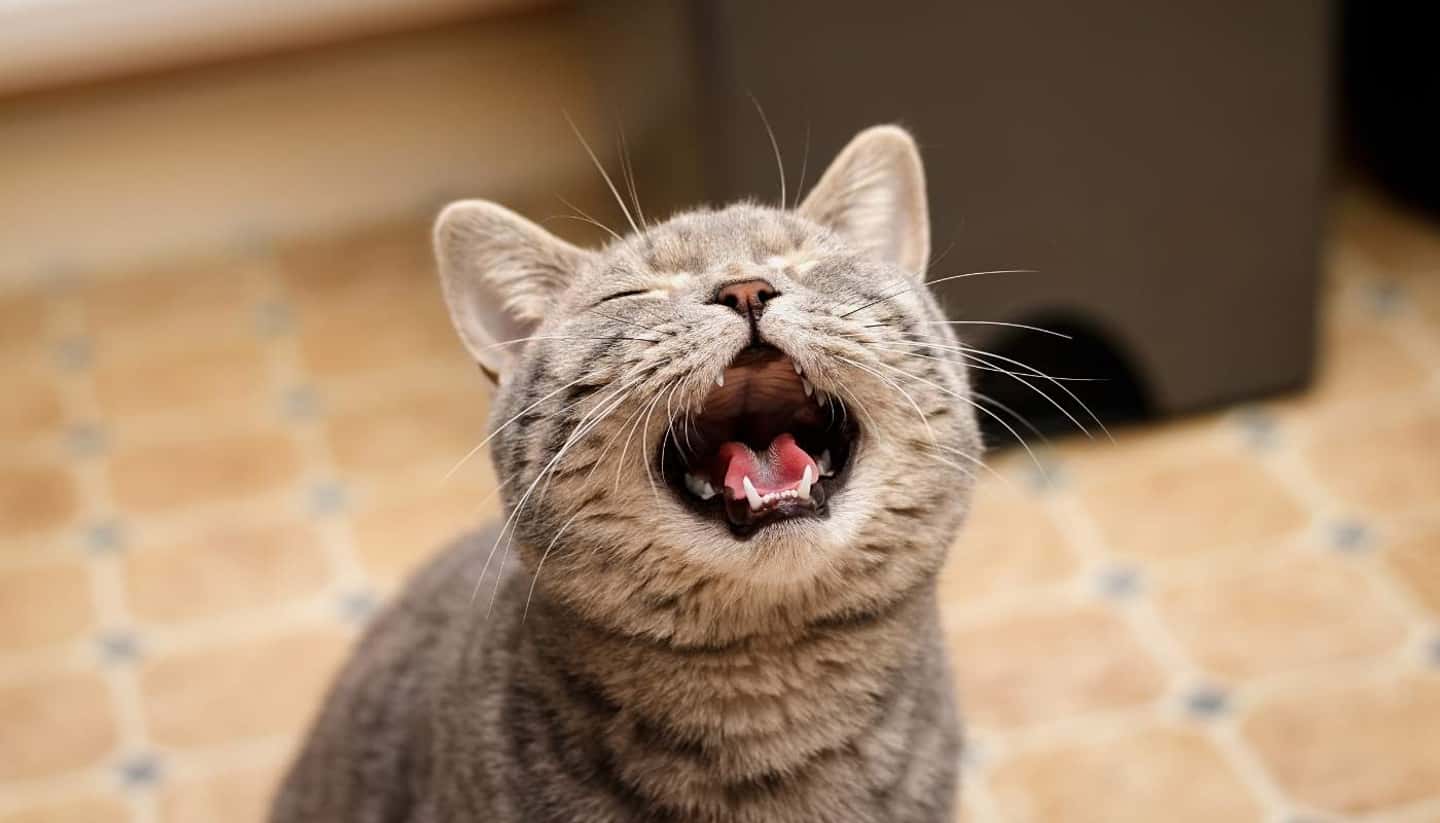
Excessive meowing in cats can have both behavioral and medical reasons. Here are the most common causes and possible solutions:
Possible Causes 🔍
1. Hunger or thirst
- If the food or water bowl is empty, your cat may meow persistently. - Solution: Set regular feeding times and consider using an automatic feeder or water dispenser.
2. Attention and play
- Especially if left alone during the day, cats may meow for play or interaction when you return. - Solution: Plan daily play sessions and use interactive toys.
3. Stress or changes
- Moving, a new pet or person in the household, or furniture changes can create anxiety. - Solution: Keep a steady routine and consider calming pheromone diffusers (e.g., Feliway).
4. Heat cycle (mating behavior)
- Unspayed cats often meow loudly and frequently, sometimes waiting by doors or windows. - Solution: Neutering or spaying greatly reduces this behavior.
5. Illness or pain
- Conditions such as hyperthyroidism, kidney disease, or pain can cause excessive vocalization. - Solution: If meowing starts suddenly and does not stop, a veterinary check is necessary.
6. Aging and cognitive issues
- Senior cats may meow at night without a clear reason (cognitive dysfunction syndrome). - Solution: Veterinary care, environmental enrichment, and night lights can help.
7. External stimuli
- Seeing another cat, bird, or dog outside the window may trigger meowing. - Solution: Use curtains or redirect attention to toys. -
What to Do ✅
- Rule out medical issues first with a vet check. - Set regular feeding and play times so your cat knows when to expect attention. - Do not reward constant meowing; instead, give attention when your cat is quiet. - Enrich the environment with scratching posts, climbing areas, and window perches.
Remember: Meowing is a cat’s way of communicating. If it becomes excessive, the key is to understand the cause and respond appropriately. 💚
👨⚕️ Dr. Ahmet Sarıl, DVM (Internal Medicine & Cardiology Specialist) 📍DoktorVet Veterinary Clinic