Leukemia in Cats (FeLV)
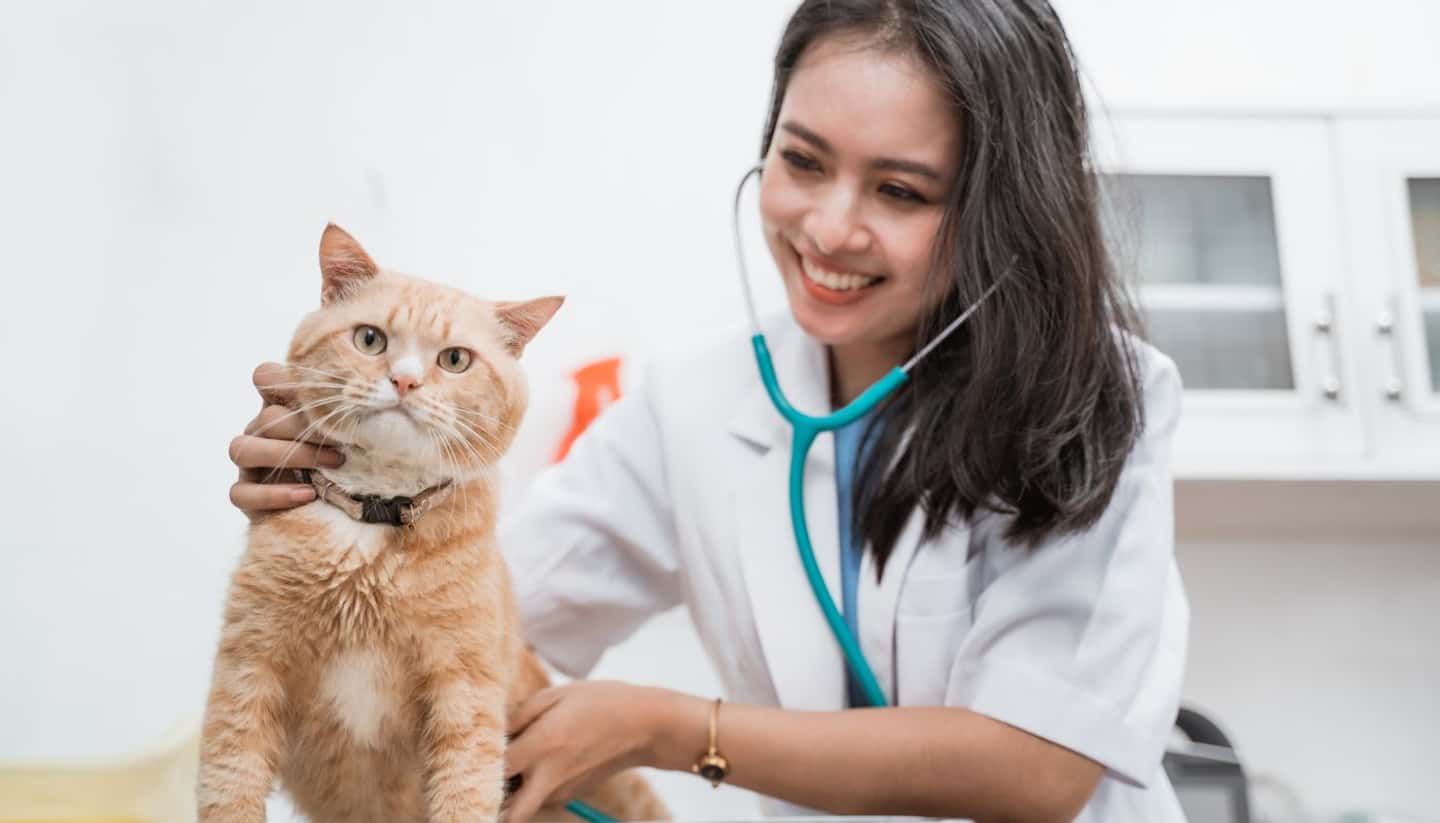
Feline leukemia is a contagious and serious health condition, most commonly caused by FeLV (Feline Leukemia Virus). It weakens the immune system, making cats more vulnerable to secondary infections and, in some cases, can lead to leukemia (blood cancer) or other tumor-related diseases.
🧬 What is FeLV?
• FeLV is a virus from the retrovirus family. • After infecting the cat, it integrates into its genetic material. • It does not infect humans or dogs. • Kittens under 1 year of age and immunocompromised cats are at higher risk.
🔍 How Is It Transmitted?
FeLV can be transmitted through:
• Saliva, urine, feces, milk, and nasal discharge • Sharing food and water bowls • Mutual grooming • Mother’s milk • Bites from infected cats
The risk of transmission increases in multi-cat households or crowded living environments.
🩺 Symptoms
Symptoms may develop slowly and worsen over time:
• Recurrent infections • Weight loss • Anemia (pale gums) • Fever • Enlarged lymph nodes • Gum inflammation • Diarrhea • Respiratory issues • Lethargy or depression • Reproductive problems • Tumor formation (especially lymphoma)
📌 Some cats may be carriers without showing symptoms, but they can still spread the virus.
🧪 Diagnostic Methods
• ELISA test: Detects the virus in the blood; commonly used for quick results in clinics • IFA test: Indicates how widespread the virus is in the body • PCR test: Detects the virus at the genetic level; useful in identifying carriers
💊 Treatment
While there is no definitive cure for FeLV, supportive care can improve quality of life and extend lifespan:
• Immune-supportive medications • Antibiotics (for secondary infections) • Blood transfusions (if anemia is present) • Nutritional supplements and vitamins • Regular veterinary check-ups
⚠️ FeLV-positive cats should live alone or only with other FeLV-positive cats to avoid transmission.
💉 Vaccination & Prevention
• A FeLV vaccine is available and recommended for high-risk cats: • Outdoor cats • Cats living in multi-cat environments • Households introducing new cats • The vaccination usually starts with two doses and is repeated annually. • A FeLV test should be done before vaccination — positive cats should not be vaccinated.
✅ Prevention Tips
• Test all new cats for FeLV • Separate positive cats from others • Avoid overcrowded living conditions • Provide a clean, stress-free, and hygienic environment
👨⚕️ Dr. Ahmet Sarıl, DVM (Internal Medicine & Cardiology Specialist) 📍DoktorVet Veterinary Clinic