Why Doesn’t My Cat Cover Its Litter?
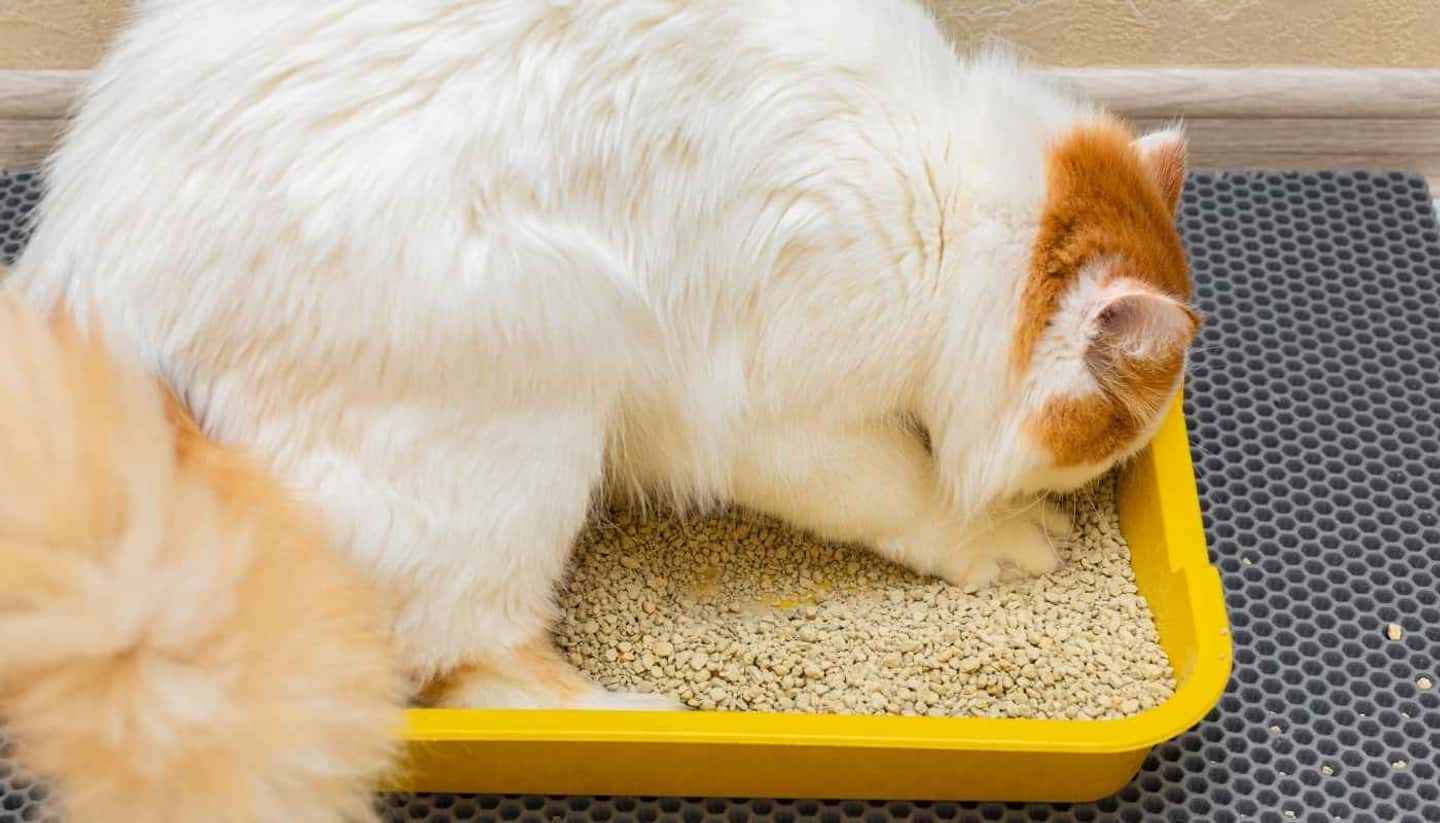
Cats can show different toilet habits. Some are very diligent about covering their waste, while others rarely or never do it. This behavior can be completely normal, but sometimes it may signal a preference, a stress factor, or a health issue.
**Behavioral Reasons 🧠**
1. Personality or learned behavior 😼
- Some cats naturally prefer not to cover their litter. - This behavior is often learned from the mother. If the mother didn’t cover her waste, the kitten may not learn this habit either. - If your cat is healthy, this is usually not a concern.
2. Disliking the litter box or litter type 🧴
- Cats are highly sensitive to smell and texture. - The litter type (scented, coarse, dusty), the shape of the box, or the depth of the litter may bother them.
What you can try:
- Use unscented, fine-grain, clumping litter - Place the litter box in a quiet, low-stress area - Fill the litter at least 5–7 cm deep
3. Dirty litter box 🚫
- Cats are extremely clean animals. - If the box is dirty or smells strong, your cat may skip covering altogether.
Advice:
- Scoop daily - Replace all litter weekly and wash the box
4. Stress, fear, or environmental changes 😾
Moving to a new home, new animals, guests, loud noises, or even changing the box location can cause stress. Stress may lead to changes in toilet behavior, including not covering the waste.
Suggestions:
- Keep the environment calm - Create safe spaces - Make changes gradually
**Health-Related Reasons ❤️**
1. Pain during elimination 💩
If a cat feels pain while urinating or defecating, it may rush out of the box without covering.
Possible causes include:
- Urinary tract infection - Constipation - Cystitis - Anal gland issues
Seek veterinary attention if you notice:
- Straining or crying during urination - Changes in potty frequency - Difficulty passing stool - Blood or unusually strong odor
2. Territorial behavior / scent marking 👃
Some cats, especially intact males may leave waste uncovered as a way of marking territory. This behavior often decreases after neutering.
Summary 💚
Not covering the litter is often harmless, but sudden changes or signs of discomfort can indicate a health problem. Careful observation and timely veterinary support are the best approaches.
**👨⚕️ Dr. Ahmet Sarıl, DVM (Internal Medicine & Cardiology Specialist) 📍DoktorVet Veterinary Clinic**