What Should I Do If My Cat or Dog Is Poisoned?
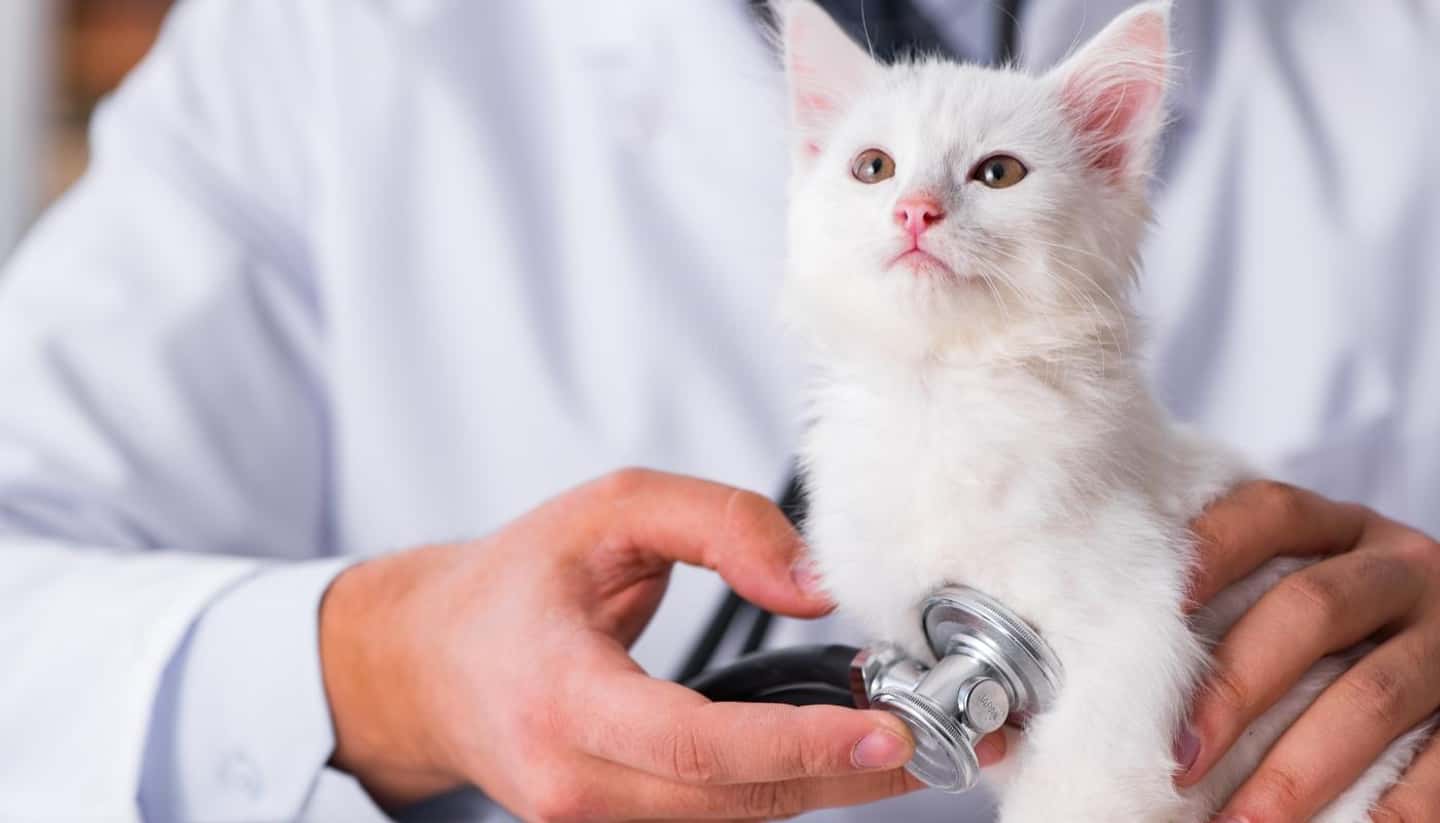
Poisoning in cats and dogs is an emergency situation that requires fast and correct intervention. Early action can save a life. Here are the steps veterinarians commonly recommend:
Contact a Veterinarian Immediately ⚠️
- Go to the nearest clinic or emergency veterinary service as soon as possible - If you can, call ahead to inform them - The type of toxin, the amount, and the time of ingestion are all critical information
Identify the Toxic Substance 🧪
Providing clear information helps the veterinarian take the right action quickly:
- Bring the packaging, container, or a photo of the substance - Estimated amount consumed - Time of ingestion - Your pet’s age and weight
This information helps determine the correct treatment.
Do Not Induce Vomiting at Home 🚫
- Inducing vomiting can be dangerous with many toxins - Substances like acids, alkaline cleaners, or oily chemicals can cause additional burns when vomited - Vomiting should only be induced if a veterinarian instructs you to do so
Clean the Area If There Was Contact 🧴
- If the toxin touched fur or skin, rinse gently with lukewarm water - Keep your pet away from other animals and children
Keep Your Pet Calm and Safe 🧘
- Stress increases heart rate and can worsen the effects of the toxin - Use a quiet and secure carrier when transporting your pet
Note Any Symptoms 📋
Your observations help the veterinarian act faster:
- Vomiting or diarrhea → Digestive involvement - Excessive drooling → Plant, chemical or medication exposure - Tremors or twitching → Nervous system involvement - Difficulty breathing → Requires urgent intervention - Fainting or collapse → Life-threatening condition
Do Not Give Any Home Remedies ❌
- Human medications (paracetamol, ibuprofen, aspirin, etc.) - Activated charcoal or antidotes without veterinary supervision - Homemade vomiting methods (salt, baking soda, vinegar, etc.)
What the Veterinarian May Do 🏥
- Administer an antidote (if available) - Provide IV fluids and supportive therapy - Use activated charcoal or perform gastric lavage - Provide oxygen support - Monitor and offer intensive care if needed
💚 Remember:
Poisoning is always an emergency. Even if you’re unsure, seeking veterinary help immediately is the safest and most effective step.
**👨⚕️ Dr. Ahmet Sarıl, DVM (Internal Medicine & Cardiology Specialist) 📍DoktorVet Veterinary Clinic**