Ear Infections
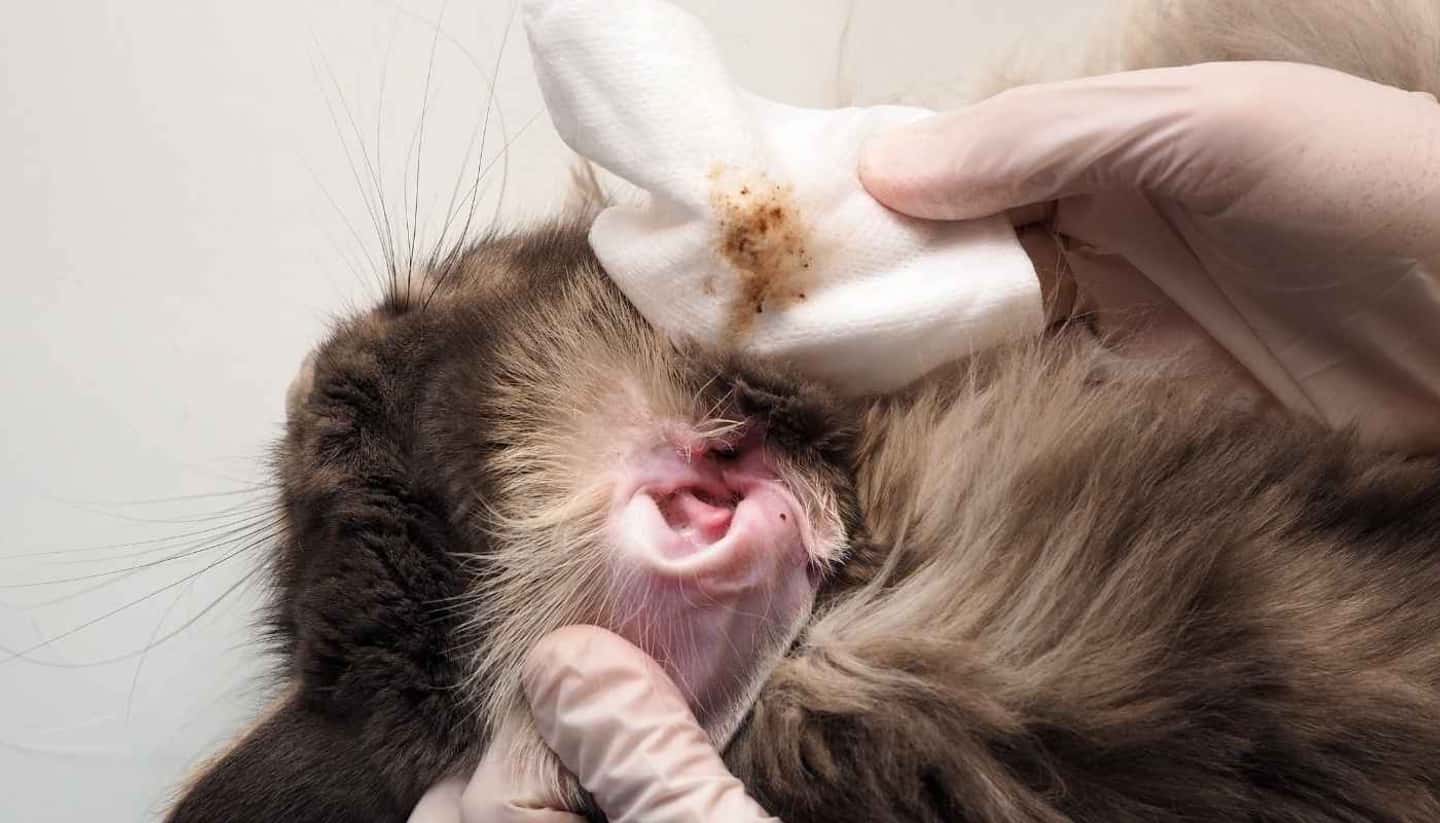
Ear infections are common in both cats and dogs. If not detected early, they can cause pain, loss of balance, and even hearing problems. That’s why recognizing the signs and taking early action is very important. 💚
**Causes 🧬**
- Bacterial or fungal infections - Parasites (especially ear mites) - Allergies (food-related or environmental) - Foreign objects (grass seeds, dirt, sand) - Anatomical factors (such as floppy ears or narrow ear canals)
**Symptoms in Cats 🐱**
- Frequent scratching of the ears or shaking of the head - Redness, swelling, or bad odor in the ear - Yellow, brown, or dark discharge - Discomfort or aggression when touched - In advanced cases, loss of balance or head tilting
Symptoms in cats may not always be obvious, so regular ear checks are recommended.
**Symptoms in Dogs 🐶**
- Constant ear scratching or head shaking - Redness, swelling, or discharge - Bad odor - Restlessness or changes in sleep patterns - Pain when the ear is touched (in deeper infections)
Breeds with long, floppy ears — such as Cocker Spaniels, Bassets, and Golden Retrievers — are more prone to ear infections.
**What Should Be Done? 🩺**
- Observe: If you notice redness, discharge, or bad odor in the ear, contact your veterinarian without delay. - Cleaning: Avoid using ear drops or cotton inside the ear without veterinary advice, as improper cleaning can worsen the condition. - Treatment: Depending on the cause, your veterinarian may recommend antibiotic, antifungal, or antiparasitic ear drops.
**Prevention Tips 💡**
- Check the ears of long-eared pets once or twice a week. - Make sure ears are dry after swimming or bathing. - For pets prone to allergies, maintain a proper diet and control environmental triggers. - Schedule regular veterinary checkups.
**Remember:**
When detected early, ear infections can be easily treated. Regular checkups, proper ear care, and loving attention are the best protection. 💚
**👨⚕️ Dr. Ahmet Sarıl, DVM (Internal Medicine & Cardiology Specialist) 📍DoktorVet Veterinary Clinic**