What to Do When Your Pet Refuses Food?
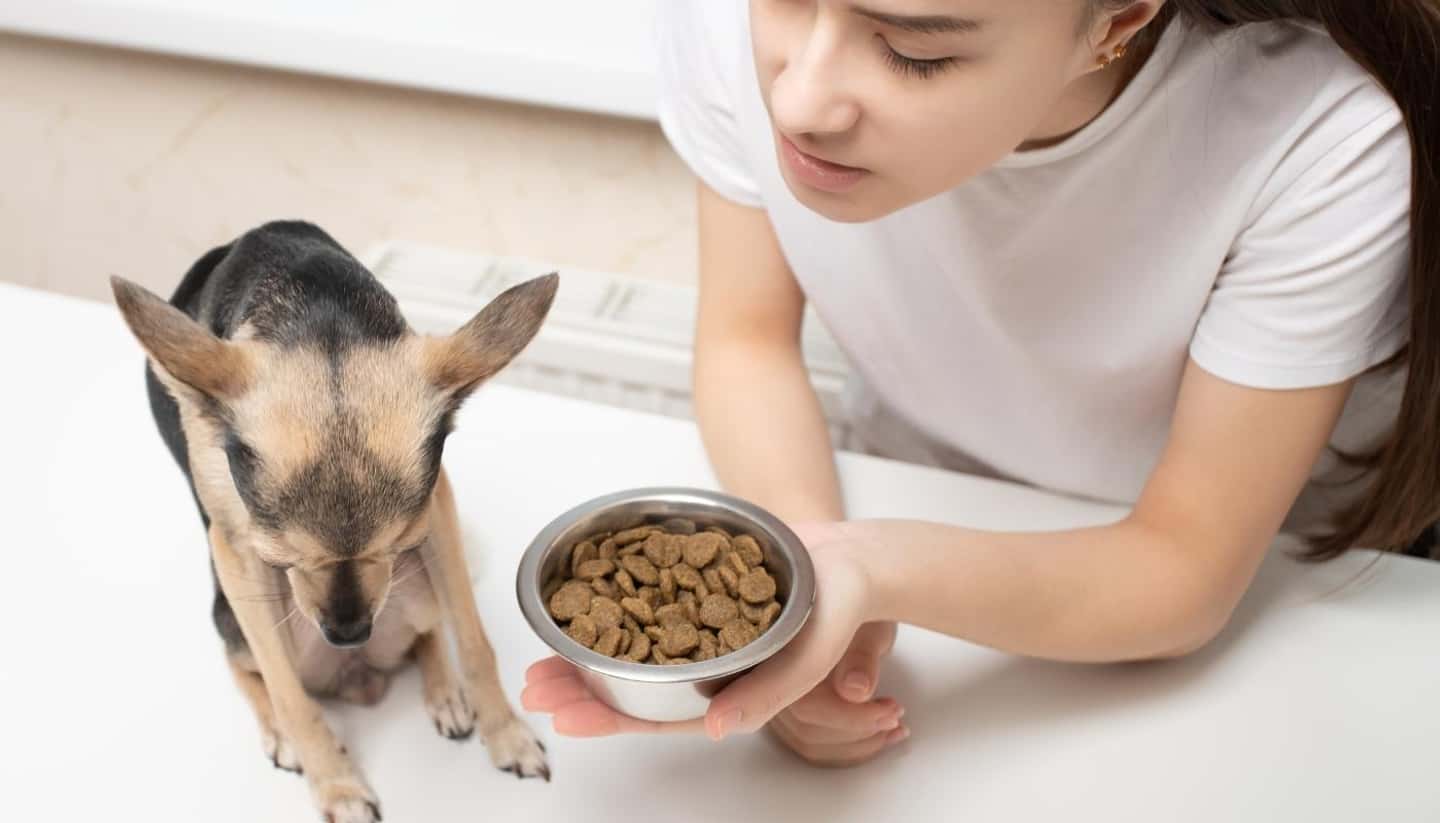
Refusing food can sometimes be just a simple behavioral change but it may also signal an underlying health problem. That’s why it’s important to observe carefully and identify the cause correctly. 💚
**1. Don’t Overlook Health Issues ⚠️**
A loss of appetite can sometimes be a sign of illness.
Possible causes:
- Dental or oral problems: Tartar, gum inflammation, mouth ulcers - Digestive issues: Vomiting, diarrhea, constipation - Infections, fever, or pain - Kidney or urinary tract diseases - Loss of smell (especially in upper respiratory infections)
💡 If your pet hasn’t eaten or drunk water for more than 24 hours, a veterinary check-up is essential. If there are additional symptoms such as vomiting, weakness, weight loss, or bad breath, visit your vet without delay.
**2. Behavioral and Environmental Factors 🧠**
A. Food change:
New food may be rejected due to differences in smell or texture.
- Gradually transition to the new food over 7–10 days (for example, 80% old + 20% new).
B. Environment or stress:
A change of home, loud noise, new pets, or loneliness can temporarily reduce appetite.
- Create a quiet, safe feeding area. - Use pheromone diffusers for cats or calming chews for dogs if needed.
C. Stale food:
Dry food left open for too long can oxidize and taste bad.
- Store food in an airtight container, in a cool and dry place.
D. Picky eating (common in cats):
Some cats and small dogs can be very selective about flavors.
- Add a small amount of warm water, chicken broth, or wet food to make it more appetizing.
E. Food bowl:
Some pets are sensitive to the smell of metal or plastic bowls.
- Use ceramic or stainless steel bowls instead.
**3. Simple Things You Can Try at Home 🍽️**
- Warm up the food slightly (5–10 seconds in the microwave, just until lukewarm). - Mix in a bit of boiled chicken or wet food. Clean the bowl each time with unscented detergent. - Offer small portions and increase gradually if they start eating.
- 4. How Long Should You Wait? ⏱️
Food refusal can sometimes be temporary, but if it lasts more than 24 hours, it should be taken seriously.
- Up to 12 hours: It may be due to stress or temporary loss of appetite. Observation is enough. - 12–24 hours: Try the above steps to encourage eating again. - More than 24 hours: Especially for kittens, seniors, or sick pets, contact your vet immediately.
💡 In cats, refusing food for longer than 48 hours can lead to hepatic lipidosis (fatty liver disease), a life-threatening condition.
Remember: Refusing food isn’t always just a whim. Observation, patience, and when needed veterinary support are the best ways to protect your pet’s health. 💚
👨⚕️ Dr. Ahmet Sarıl, DVM (Internal Medicine & Cardiology Specialist) 📍DoktorVet Veterinary Clinic